Covered services
The CDCP covers a wide range of oral health care services, but only on the recommendation of your oral health provider and within the plan's rules. Coverage is organised by service family, and each family has its own limits. The list below follows Canada.ca's published coverage summary.
Preventive services
Scaling (cleaning), sealants, and fluoride. These are the routine services that keep teeth and gums healthy, and they are the most common reason people use the plan. Frequency limits apply — for example, a cleaning is covered at set intervals, not on demand every week.
Diagnostic services
Examinations and x-rays. A provider needs to examine you and, where clinically justified, take x-rays before recommending treatment. Diagnostic services are the gateway to the rest of the plan: treatment the plan covers usually starts with an exam.
Restorative services
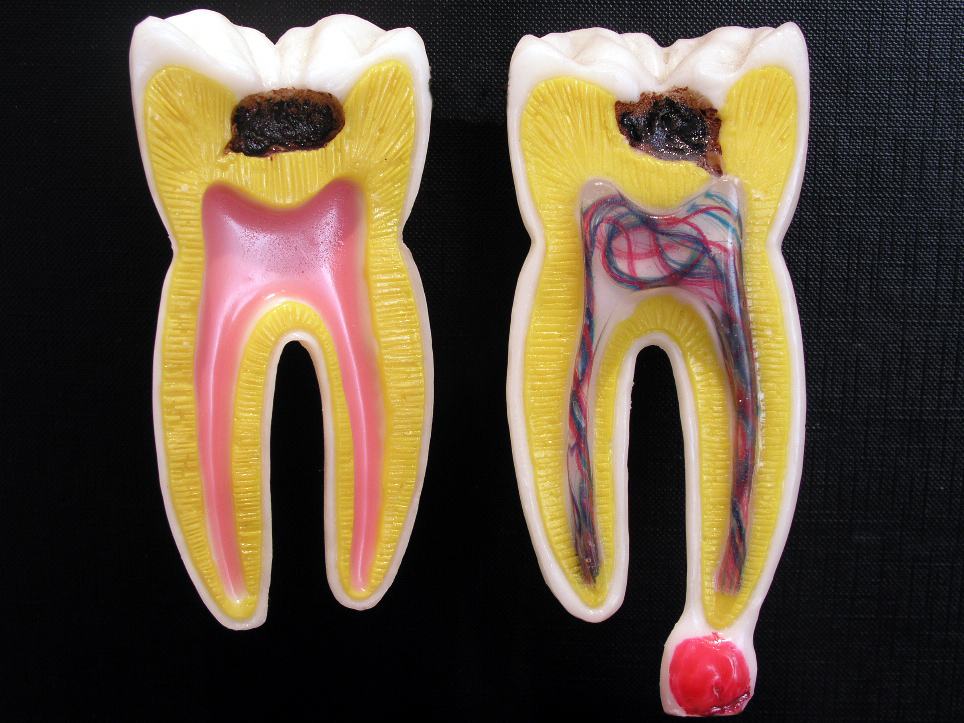
Fillings and other restorative work for teeth damaged by decay. This is the core "fix a cavity" category, and it is where most families first notice the co-payment tiers in dollars.
Endodontic, periodontal, and oral surgery services
Endodontic services include root canal treatments. Periodontal services include deep scaling for gum disease. Oral surgery services include extractions. These are covered when clinically needed, and some require preauthorization, which means your provider must get approval from the plan administrator before treatment, based on your oral health history and medical conditions.
Prosthodontic services
Complete dentures and partial removable dentures. Dentures are covered subject to frequency limits and, for some partial dentures, preauthorization. If you need dentures, ask your provider early about the limits and the approval step, because denture timelines are longer than a filling appointment.
What is not covered
- Bridges and implants are not part of the plan's standard coverage for replacing teeth.
- Cosmetic services that are not clinically needed are not covered.
- Services beyond frequency limits or without required preauthorization may not be paid.
- Services from a provider who does not participate in the CDCP, or who has not agreed to bill Sun Life directly, are not covered through the plan.
Preauthorization is not a formality
For services that need it, treatment before approval can leave you paying the full cost. If your provider says a service needs preauthorization, ask how long approval usually takes and do not book the treatment until it is confirmed. Keep the approval with your treatment records.
How to check a specific treatment
Canada.ca publishes the detailed service rules in the CDCP Dental Benefit Guide, and your provider works from the provincial or territorial Dental Benefit Grids. The practical route is simpler: describe the treatment to a participating provider, ask whether it is covered, whether it needs preauthorization, and what you would owe after the CDCP pays. Get the answer in writing before treatment starts.
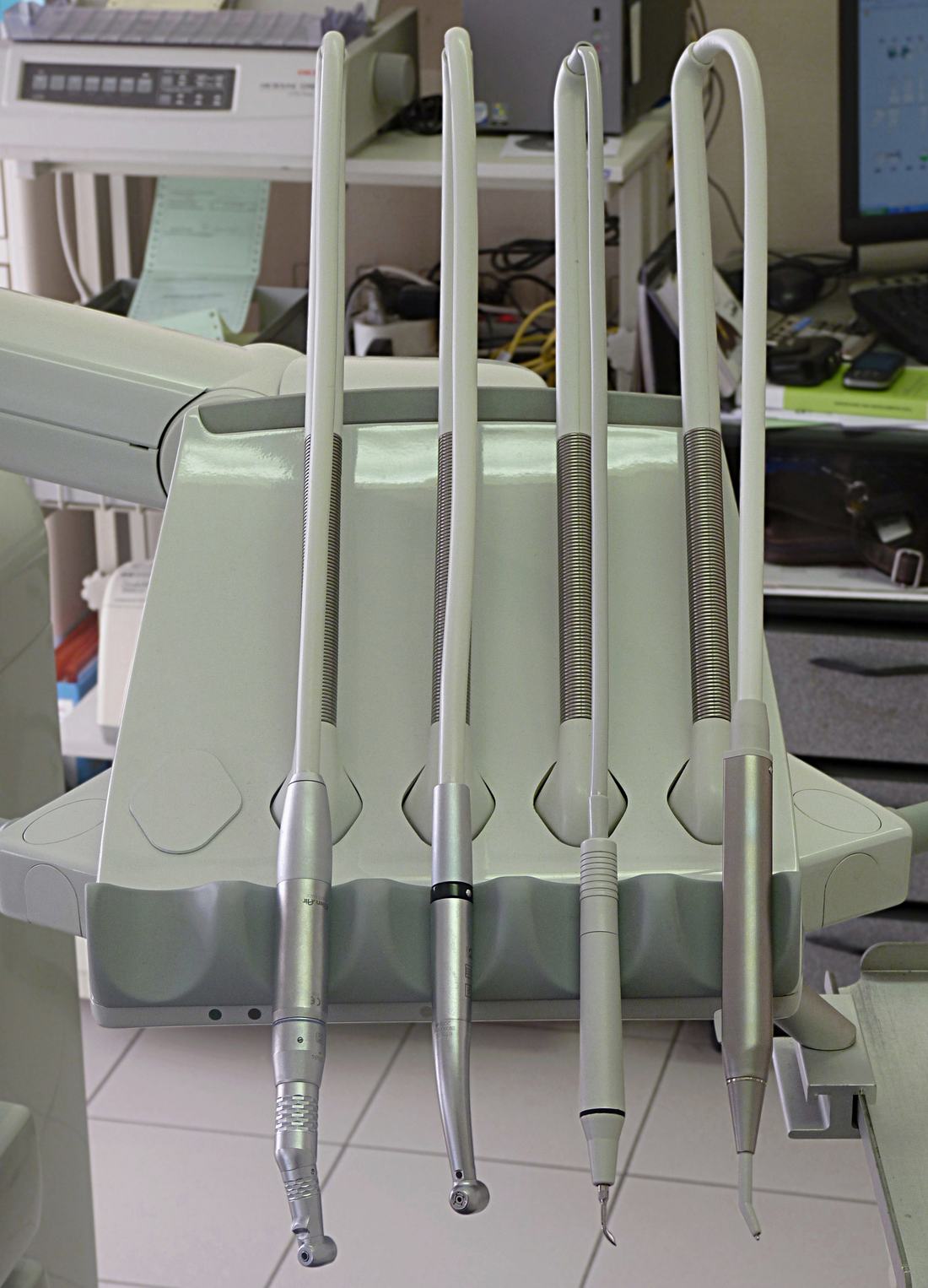
Photo credits: de13.jpg — Dental instruments (CC BY-SA 3.0); de14.jpg — Tooth model (CC BY 2.5); de15.jpg — Dental floss (CC BY-SA 4.0) All photos via Wikimedia Commons under the licences noted.